More than
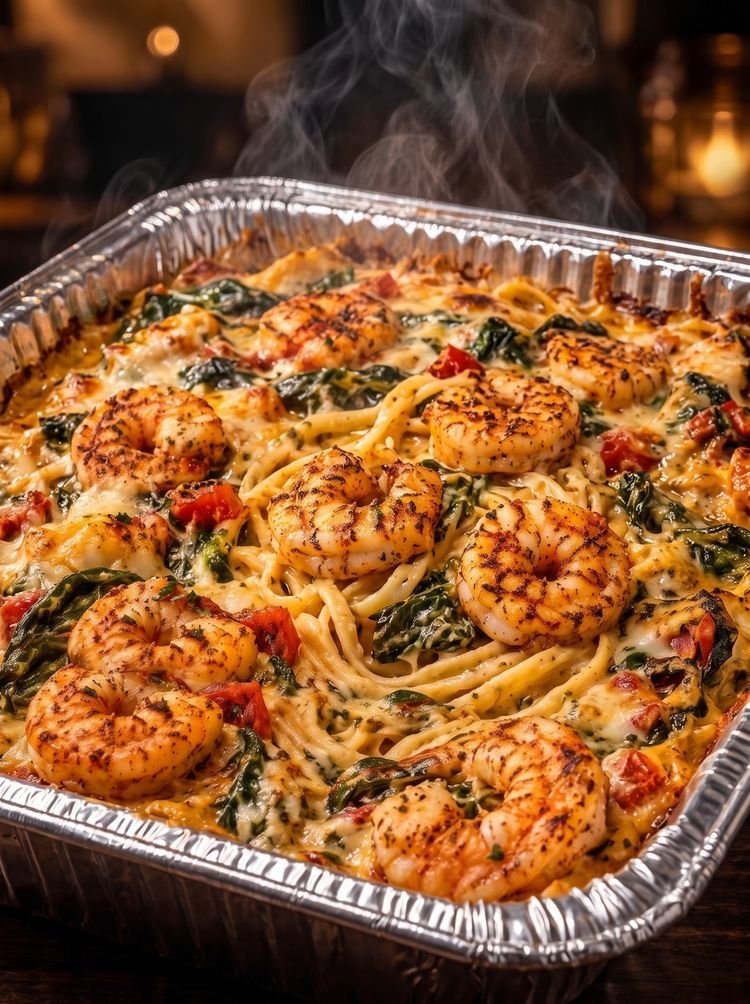
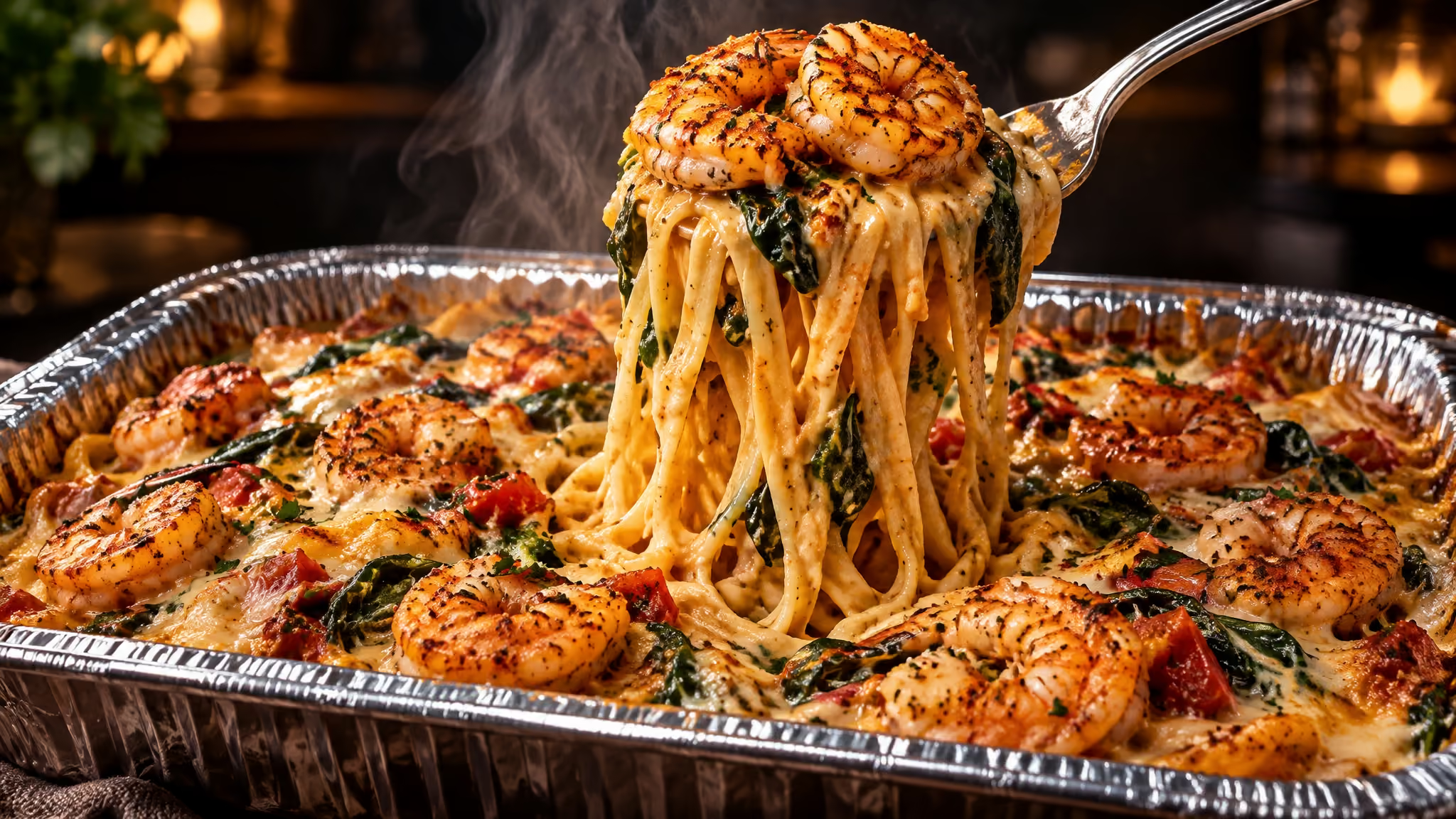
Creamy Cajun Shrimp and Spinach Pasta Bake
*Estimated recipe-use costs based on retail pricing at time of creation. Prices may vary.
Built for weeknight decadence and unapologetic comfort, this pasta bake merges classic Louisiana spice with Italian-American casserole generosity.
Ingredients
Amounts and prices shown for 4 servings. Tap an ingredient to check it off.
Method
Heads up: the amounts and patty count written in these steps are for the original 4 servings.
- Peel and devein shrimp, leaving tails on, and pat completely dry with paper towels.
- Drain diced canned tomatoes thoroughly in a fine-mesh strainer to avoid watering down the cream sauce.
- Mince garlic cloves finely and roughly chop fresh baby spinach leaves.
- Grate Parmesan cheese from the block and shred Monterey Jack cheese.
- 1
Preheat the oven to 400°F (200°C). Bring a large pot of salted water to a rolling boil.
- 2
Toss the raw shrimp with 1 tablespoon of Cajun seasoning, smoked paprika, and black pepper until evenly coated.
- 3
Drop the linguine into the boiling water and cook for 7 to 8 minutes, pulling it about 2 minutes before typical al dente. Reserve 1/2 cup of starchy pasta water, then drain the pasta.
- 4
Melt 1 tablespoon of butter with the olive oil in a large deep skillet over medium-high heat. Add the seasoned shrimp in a single layer and sear for 60 seconds per side until opaque on the outside but still translucent in the center. Transfer immediately to a plate; do not fully cook through.
- 5
Lower the skillet heat to medium and melt the remaining 2 tablespoons of butter. Add the minced garlic and cook for 45 to 60 seconds until fragrant without browning.
- 6
Pour in the chicken broth and remaining 1/2 tablespoon of Cajun seasoning, scraping up any browned bits from the pan bottom. Simmer for 2 minutes to reduce slightly.
- 7
Pour in the heavy cream and bring to a gentle simmer. Whisk in the grated Parmesan cheese until completely melted and smooth. Season with kosher salt.
- 8
Stir in the chopped baby spinach and drained diced tomatoes, letting the spinach wilt into the sauce for about 1 minute.
- 9
Fold the drained linguine and 1/4 cup of reserved pasta cooking water into the skillet, tossing gently until every strand is thickly coated in creamy coral sauce.
- 10
Transfer the pasta and sauce mixture into a standard 9x13-inch disposable aluminum foil baking pan. Fold in half of the par-cooked shrimp throughout the pasta, then arrange the remaining shrimp across the top surface.
- 11
Sprinkle the Monterey Jack cheese evenly across the top, leaving some shrimp visible.
- 12
Bake uncovered at 400°F for 10 to 12 minutes, until the edges are vigorously bubbling, the cheese is melted and lightly golden, and the shrimp are fully cooked through, with firm, pearly, opaque flesh. Rest 3 minutes before serving so the sauce settles into a rich, creamy consistency.
Where the $19.97 goes.
Your large raw shrimp, heavy whipping cream and freshly grated Parmesan cheese are 74% of the bill ($14.84 of $19.97). Everything else in the pan adds up to $5.13.
*Estimated recipe-use costs based on retail pricing at time of creation. Prices may vary.
The dish hinges on a luscious, coral-tinted Cajun cream sauce engineered with heavy cream, concentrated garlic, and sharp Parmesan, which clings tightly to every strand of al dente linguine without turning greasy or separating. Baby spinach softens directly into the sauce while sweet, drained tomatoes provide bright acidity that cuts through the rich dairy. Instead of tough, rubbery seafood, large shrimp are par-seared in Cajun butter and tucked into the pasta just before a rapid high-heat finish in a foil baking pan, emerging plump, sweet, and succulent under a gentle crown of molten cheese.
Culinary Logic
Shrimp overcook in minutes, so baking raw seafood in a dense pasta casserole guarantees a dry, rubbery texture. Quickly searing the shrimp stovetop for just sixty seconds establishes Maillard browning and infuses the cooking fat with paprika, garlic, and cayenne, while leaving the interior raw enough to finish gently during the brief oven bake. Boiling the linguine two minutes shy of al dente allows the pasta starch to hydrate directly in the simmering cream reduction, anchoring the sauce and preventing moisture separation. Finishing under high convection heat in an aluminum foil pan reflects heat rapidly across the surface, melting the cheese and setting the top layer before the cream base can break or dry out.